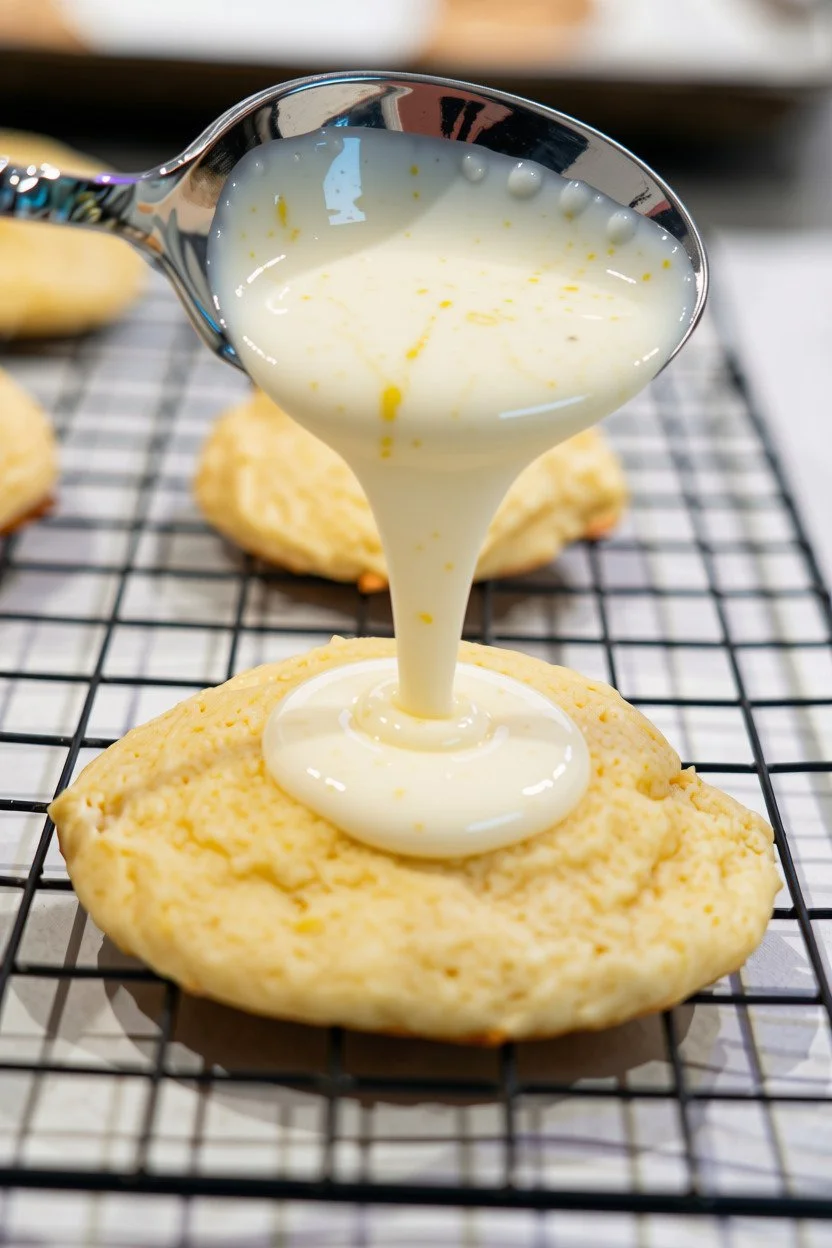
Suddenly, cookies aren't an afterthought, they're the main event.
Flour, Sugar, Plot Twist
Flour, Sugar, Plot Twist
What's a small batch ?
A small batch means we intentionally keep production limited and hands-on. Instead of mixing giant quantities that sit for hours or get portioned by machine, we work in smaller, carefully managed amounts, usually just enough to fulfill the day’s orders or a short run of a particular item.
This approach changes everything. Butter stays at the right temperature. Dough is mixed only until it’s ready, not overworked. Cookies are scooped and baked in groups small enough that we can watch every tray. Cakes and breads get the attention they need without being rushed through a high-volume system. Ingredients stay fresher because we’re not holding massive stock for days on end, and flavors stay clear and balanced instead of flattening out under industrial conditions.
Small-batch baking is about control and care. It lets us protect texture, protect taste, and protect the little details that make a cookie snap just right or a cake crumb stay tender. The result is food that feels personal, made in limited quantities, finished by hand, and never treated like a commodity.
Small Batch Baking Techniques
Small-batch baking isn’t just about making less food — it’s about using techniques that protect quality when you’re working in limited quantities. Here’s how it actually works in practice:
Precise Scaling & Measuring
Every ingredient is weighed rather than scooped. Because the total volume is small, even a slight variation in flour or butter shows up immediately. Digital scales and careful measuring keep each batch consistent from the first tray to the last.
Temperature Control
Butter, eggs, and dough temperatures matter more in small batches. Butter is often kept colder longer so it creates better layers or a tighter cookie crumb. Dough is mixed and portioned quickly so it doesn’t warm up and spread unpredictably in the oven.
Gentle Mixing
Overmixing develops too much gluten or incorporates excess air. In small batches, mixers run for shorter times and at lower speeds. Many bakers finish by hand to feel when the dough or batter is exactly right.
Controlled Portioning
Cookies are scooped with the same tool every time. Cake batter is divided by weight into pans. Bread dough is shaped in small groups so each loaf or roll gets the same tension and proof time. Uniform size means even baking.
Strategic Oven Use
Small batches allow bakers to work with one or two trays at a time instead of filling every rack. This improves heat circulation, reduces hot spots, and lets the baker rotate pans or adjust timing based on what’s actually happening in the oven rather than a fixed industrial schedule.
Fresh Ingredient Timing
Because the batch size is limited, ingredients are often mixed closer to baking time. Butter isn’t left sitting, chocolate isn’t pre-melted for hours, and delicate mix-ins stay intact instead of bleeding into the dough.
Immediate Finishing
Cookies cool on the tray for just the right window before moving. Cakes are often filled or frosted the same day. Bread is sliced or packaged while still at peak texture. Nothing sits in a holding pattern waiting for the rest of a massive production run to finish.
These techniques are why small-batch products usually taste brighter, hold their texture better, and feel more intentional than mass-produced versions. The limited scale simply gives the baker more control at every step.
Beyond the Cookies..
Custom Celebration Cake
3 layers of pure celebration in a perfect 9 inch round, built to make people forget they ever said "just a small piece."
Fresh Artisan Breads
A beautiful, slightly chaotic landscape of cheeses, fruits and things you can't stop reaching fordesigned to make people forget they ever had dinner plans
Grazing Tables
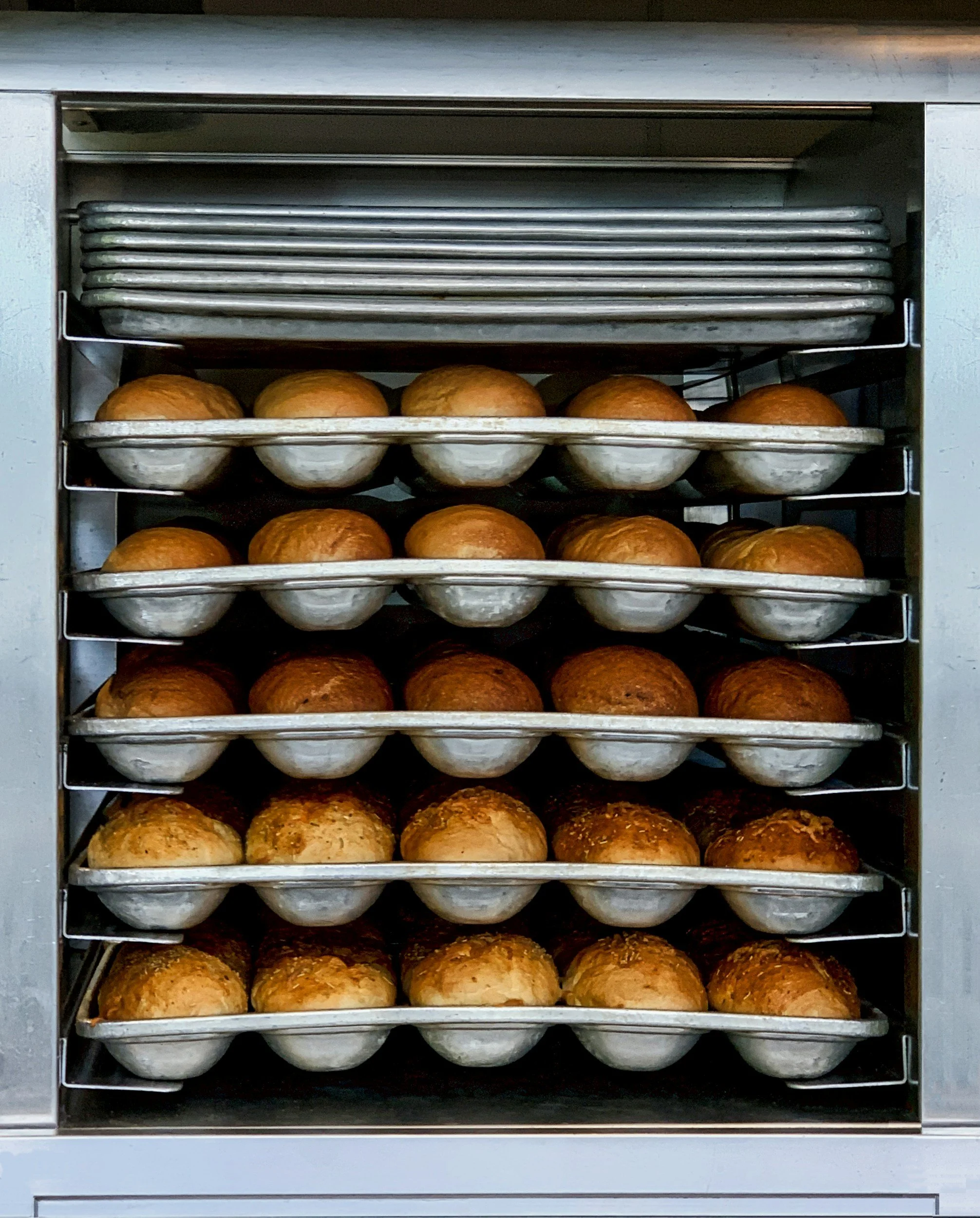
Crusty on the outside, soft and dangerous on the inside. Fresh loaves that somehow disappear faster than your willpower.
Who’s Behind the Oven Door?
We’re a small-batch bakehouse that treats recipes as rough suggestions and flavor as a dare. If it rises, we’ll probably torch it, glaze it, or hide caramel in the middle.